
THEMES
Overarching Theme: Living God’s way in a challenging world
Chapter Two Theme: Living stones
BACKGROUND
When Andrew brought his brother, SImon, to Jesus, Jesus renamed him Peter (meaning rock), and the name stayed. Whatever rock-like characteristics Jesus saw in Peter were surpassed by the rock-like revelation Peter received at Caesarea Philippi when Jesus asked, ‘Who do you say that I am?’ His response, ‘You are the Messiah, the Son of the living God,’ was such a powerful revelation that it led Jesus to say ‘and on this rock I will build my church’ (Matthew 16:16,18).
Peter, unsurprisingly, takes up the theme of stones in this chapter and sees us all as living stones being built into a spiritual house, with Jesus being the cornerstone on which everything rests. He also continues with his theme of living godly lives in a pagan society.
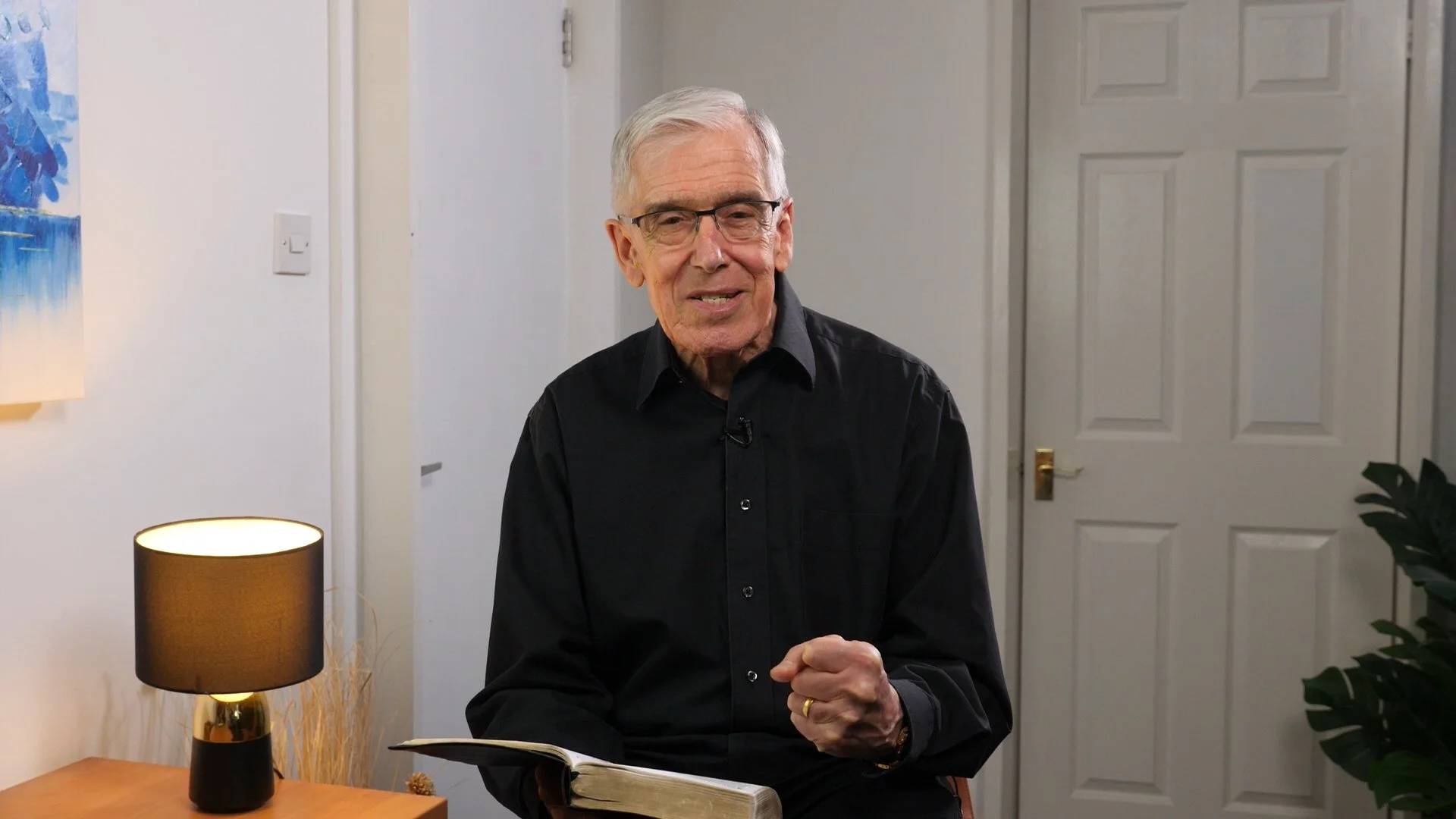
Make sure you watch the video that looks at 1 Peter chapter 2.
Also have a Bible ready in front of you.
Verses 1-3
These verses complete Peter’s presentation on holy living in Chapter 1:13-25. Peter speaks of the milk of God’s word. The writer to the Hebrews stresses the need for meat as well as milk (Hebrews 5:12-14). This doesn’t undermine the appropriateness of Peter’s encouragement.
Questions
How appropriate is it that Peter addresses us all as ‘newborn babies’?
In what ways have you personally tasted that the Lord is good?
Verses 4-8
Peter develops themes from Isaiah 28:16, 8:14 and Psalm 118:22. He sees us as living stones being built into a spiritual house where Christ is the cornerstone. He acknowledges that some will stumble on the very stone on which we are built. The fact that God chooses rejected stones can be a stumbling block for some.
Questions
It is clear that society does not always choose the right stones with which to build. What are the criteria on which society bases its choices?
In contrast, what does it mean to be built into a spiritual house?
Verses 9-10
Peter speaks highly of the people of God as: a royal priesthood, a holy nation, God’s special possession, who have been called out of darkness into light.
Questions
What does it mean to be a royal priesthood? (Take note of 1 Peter 2:5b as you answer.)
How does the phrase ‘Once you were not a people’ highlight the transformation that coming to Christ brings?
Verses 11-12
Peter calls his audience ‘foreigners’ and ‘exiles’ not only implying that society will not always recognise them but that there are ways in which they should stand apart. For Peter, our good deeds should speak.
Questions
Compare Peter’s words here with those he would have heard from Jesus in Matthew 5:16. What do they mean for us today?
How should we cope with worldly desires?
Verses 13-17
Peter writes of submitting to authorities and living in a fallen world as an example.
Questions
How might Peter’s words have been shaped by living in Rome?
How should we apply these words today?
Verses 18-22
Having introduced the thought of living as ‘free people’ and yet ‘as God’s slaves’, Peter goes on to counsel those who are actually serving in slavery, holding up Jesus as an example.
Questions
Has the church in the past been unwise in seeing counsel to slaves as justification for slavery? How would you answer those today who are yet to think this through?
___________________________________________________________________
Verses 23-25
Peter speaks of the attitude of Jesus in the midst of suffering, but his suffering did far more for us than simply serve as an example. Peter affirms that when we return to Jesus, we find him to be the Shepherd and Overseer of our souls.
Questions
How did the suffering of Jesus do more for us than serve as an example?
What does it mean to have Jesus as our Shepherd and Overseer?
KEY TAKEAWAYS
There is much in this chapter about having a testimony in suffering but this is also a chapter where we are described as living stones, chosen people, a royal priesthood and a holy nation.
Let’s take hold of these lessons and live them out in practice.
PRAYER & REFLECTION
End your time as a group, or individually, in a time of prayer. If it is helpful, below is a written prayer you can use as a reflection on thoughts that Peter has presented us with in this chapter.
Sovereign Lord,
Thank you for making us a people when we were no people.
Thank you for making us living stones in your house.
May we rest securely on you as our cornerstone,
and serve you as your royal priesthood,
bringing praise to your name.
Give us the grace to let our light shine in this world’s darkness,
maintaining a testimony, no matter what hardships we face.
Thank you that in Christ’s suffering we find strength and healing.
May we always look to you as the Shepherd and Overseer of our souls.
In Jesus’ name we pray,
Amen