
THEMES
Overarching Theme: Living God’s way in a challenging world
Chapter One Theme: The Christian hope
HISTORY
When the early church was bringing together the books of the New Testament, different churches had different documents. Every book or letter that was included had to have the authority of an apostle behind it. In recent years some have questioned Peter’s authorship of this letter, but the early church was confident about it and would have recognised Peter’s voice in the words they were reading.
The opening verse of the letter tells us that Peter was writing to the believers in the Roman provinces of Pontus, Galatia, Cappadocia, Asia and Bithynia (all in modern-day Turkey). The closing verses of the letter refer to ‘she who is in Babylon’, a name used for Rome. From this we understand Peter was writing from Rome with the local church around him. He adds that he also has Silas and Mark alongside. A possible date for the letter is AD 63. This fits with a date of AD 60 for Mark’s gospel, on which many believe Peter collaborated.
Peter, Mark and Silas knew each other in the early days of the Jerusalem church, but we have no dates for their arrivals in Rome. In Acts, Luke records Peter’s story up to the Council of Jerusalem in AD 50, by which time Peter has ministered in Judea and Samaria, and visited Antioch. Paul later comments that Peter travels with his wife. When writing to Rome from Corinth in AD 58, Paul greets those he knows in the city but doesn’t mention Peter, Silas or Mark. Luke also makes no mention of them when writing about Paul’s AD 61-63 imprisonment in Rome, although they may have been in the city by then. (Paul’s last mention of Silas is when writing to the Thessalonians towards the end of their journey together through Cilicia, Galatia, Macedonia and Achaia in AD 53. Mark went to Cyprus with Barnabas in AD 51 but was reconciled with Paul, probably in Rome during Paul’s first imprisonment. Paul asks Timothy to bring Mark back to Rome in AD 65 during his second imprisonment.)
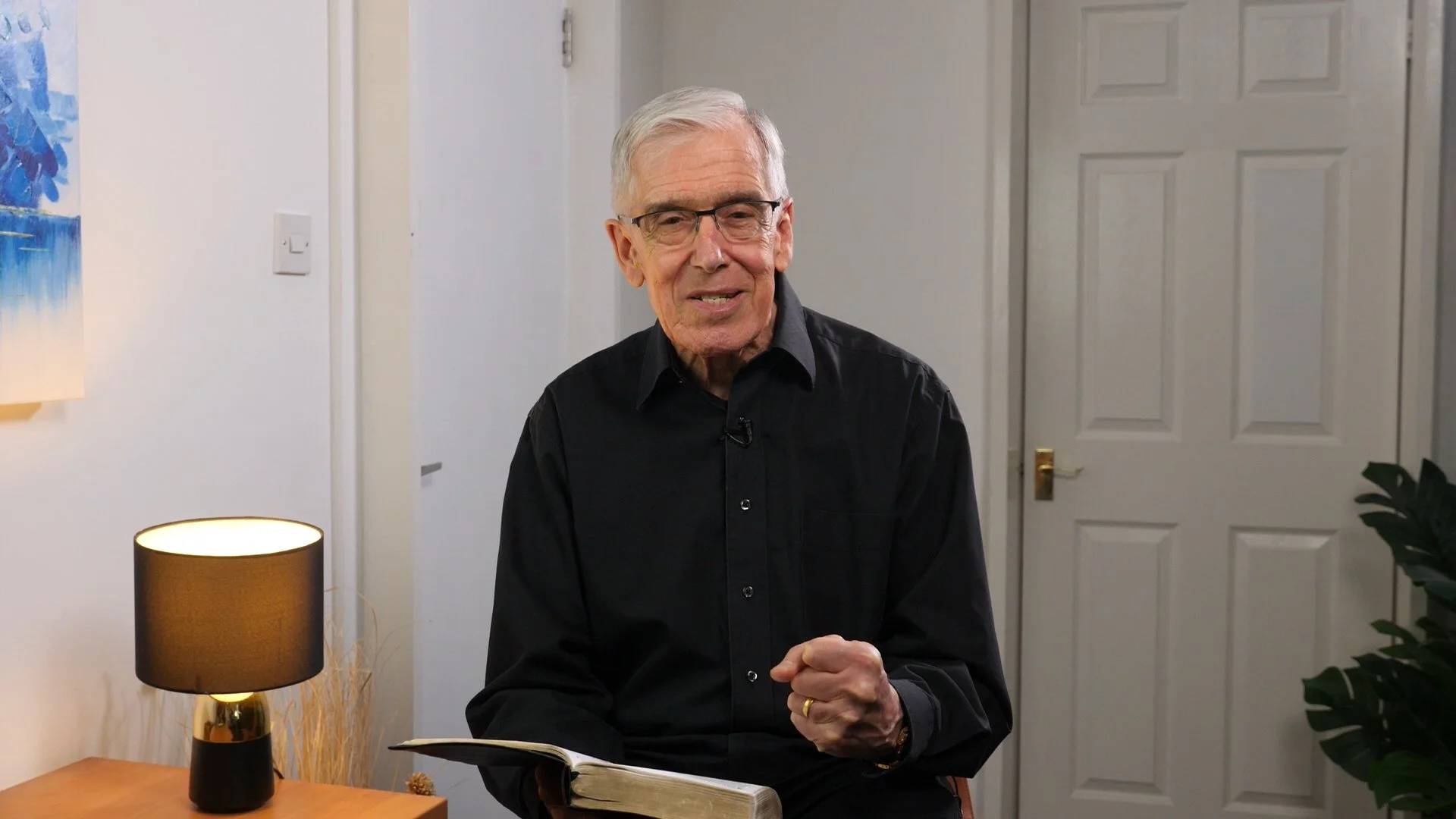
Make sure you watch the first video that looks at 1 Peter chapter 1. Also have a Bible ready in front of you.
Verses 1-2
In opening his letter, Peter refers to the believers as: elect, exiles and scattered. He also says they are: chosen by the Father, sanctified by the Spirit and sprinkled with the blood of Jesus. He wants them to know God’s abundant grace and peace.
Questions
How do you see the words ‘elect’, ‘exiles’ and ‘scattered’ as being relevant?
What stands out for you about the joint working of the Father, Son and Spirit?
Why might knowing God’s grace and peace be so important for his readers?
Verses 3-6
Peter writes of: the new birth, a living hope and an unperishable inheritance. He also speaks of being shielded until the fulness of salvation comes and says that this is something to rejoice in.
Questions
How does Peter’s evident enthusiasm when writing of salvation reflect the enthusiasm he showed when preaching on salvation in Acts 2 at Pentecost?
How do you understand salvation not only as something we are reborn into, but holding more for which we have to wait?
Verses 7-9
Peter moves on to talk of trials refining us. He also speaks about the joy of receiving the end result of our faith even as we believe without seeing.
Questions
How do you think trials refine us?
How important do you think love and joy were in Peter’s personal faith?
What do you think is involved in ‘receiving the end result of your faith’?
Verses 10-12
Peter tells us what it was like for prophets who in the past were speaking of things that have now been spoken to us by people empowered by the Holy Spirit.
Questions
How privileged are we compared with those who lived before the outpouring of Acts 2?
How privileged are we compared with the angels?
Verses 13-16
Here Peter is introducing the dominant theme of his letter: calling us to live holy lives, being sober and alert, setting our hope on the grace to come.
Questions
Peter uses what he has written before as the basis of his appeal. Why is it more possible to live a holy life once we have experienced God’s salvation?
What does it mean to have an alert and sober mind?
Verses 17-21
Peter speaks of the redeeming power of Christ’s blood, stressing the farsightedness of God’s plan and the distinctiveness of the life we are expected to live.
Questions
How would you describe the farsightedness of God’s plan?
Why do you think Peter tells us to live our time as foreigners here?
Verses 22-25
Peter exhorts us to love each other deeply because we have purified ourselves and been born again through the seed of God’s word.
Questions
How does Peter say we purify ourselves?
How does the word of God bring us to new birth?
Read on to 1 Peter 2:1-3 as in some ways it makes a fitting end to this chapter.
KEY TAKEAWAYS
In this first chapter we see how Peter bases his appeal for holy living on a realisation of the greatness of our salvation. He introduces the idea of our being exiles and foreigners as he builds a case for our needing to be examples in a challenging world.
PRAYER & REFLECTION
End your time as a group, or individually, in a time of prayer. If it is helpful, below is a written prayer you can use as a reflection on thoughts that Peter has brought to us.
Sovereign Lord,
Thank you for the salvation that you have brought us.
Through Jesus’ death and resurrection we have been made new.
In the midst of trials you shield us and refine us,
and show us things angels long to look into.
With alert minds we seek to respond to your call to holiness,
purifying ourselves by obeying the truth.
Give us grace to love one another deeply from the heart,
as the power of your word continues to change us.
In Jesus’ name we pray,
Amen.