
THEMES
Overarching Theme: Living God’s way in a challenging world
Chapter Five Theme: Tending the flock of God
BACKGROUND
Peter’s call to shepherd God’s flock came as Jesus walked with him on the shore of Galilee after the resurrection. It was not only a time of restoration after Peter’s denials but a reshaping of him for the leadership role ahead of him. His forthrightness may have once made him seem a likely leader, but Jesus had a different model of leadership in mind and it’s Peter’s reflectiveness and servant-heartedness that come across in this final chapter.
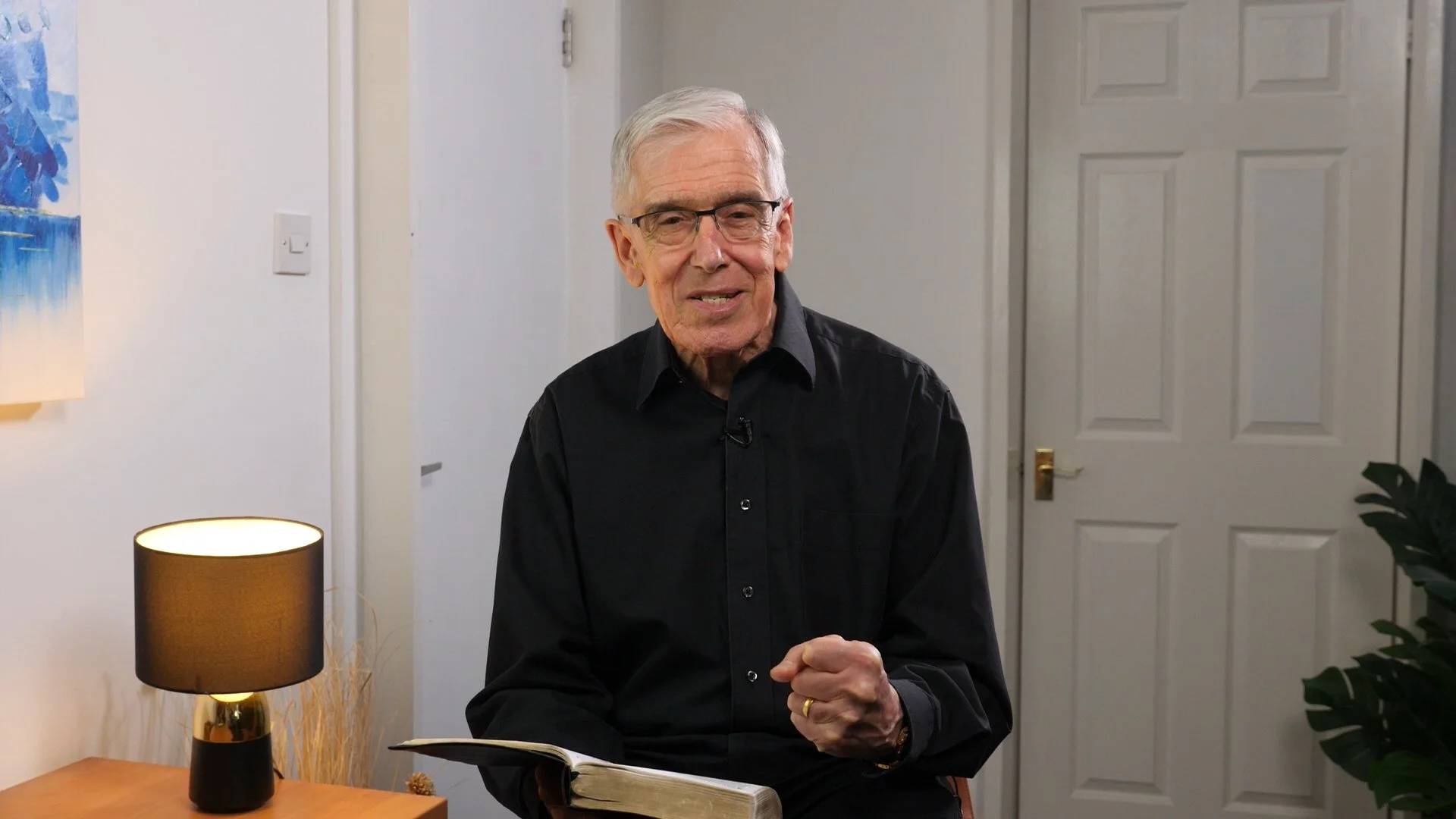
Make sure you watch the video that looks at 1 Peter chapter 5.
Also have a Bible ready in front of you.
Verses 1-4
Having written on suffering, Peter describes himself as witnessing Christ’s suffering. He wasn’t with John at the foot of the cross, but maybe he wasn’t far away. He exhorts those holding eldership responsibility in church to be shepherds. Paul urges this too and they both reject dominating attitudes (Acts 2:28; 2 Cor 1:24). Peter expects those serving as examples to be crowned when the Chief Shepherd comes.
Questions
Why is it so important that leaders avoid a dominating attitude?
How can a desire for dishonest gain undermine a leader’s example?
Should a crown be the main attraction of the Chief Shepherd’s appearing?
Verses 5-7
These verses are about humility. Younger leaders need to submit to elders and be humble towards one another. Grace (God’s favour), like water, flows to the lowest place. As it’s God’s responsibility to lift us up, we shouldn’t seek to engineer it. God’s care should inspire us to be honest about our anxieties and to cast them onto him.
Questions
Why is the world so reluctant to promote genuine humility?
Is there a link between humility and a willingness to cast our cares onto God?
Verses 8-9
Peter describes the devil as a roaring lion, seeking those he can devour. When the devil’s roaring he’s not devouring, but he does do both, so we need to take care.
Questions
Should fear be our only response to the devil’s roaring?
What can we learn from the example of Peter and the early church?
Verses 10-11
Peter writes of the God of all grace calling us to eternal glory, holding out a promise that takes us beyond suffering to find restoration, strength and steadfastness. Peter ends the main part of his letter saying ‘to him be the power for ever and ever. Amen.’
Questions
How encouraging do you find God’s call to eternal glory?
How often do you reflect on God’s commitment to our total restoration?
Verses 12-14
Verses 12-13 are discussed in the History at the beginning of these study notes. Peter ends by asking his readers to greet one another and receive Christ’s peace.
Question
Is the sharing of such mutual greetings something we should take to heart?
KEY TAKEAWAYS
Peter’s first letter is all about living God’s way in a challenging world, particularly in the face of suffering. It is fitting that he ends with an appeal for pastoral care. He roots his appeal in his own transforming commission to shepherd God’s flock, so his advice for those who are elders is steeped in personal experience, as is his advice for those who are younger. Throughout, he sets the hope of ultimate restoration before all his readers as an inspiration.
PRAYER & REFLECTION
It would be good to end your time together as a group, or individually, with prayer. If it is helpful, here is a written prayer that focuses on Peter’s themes in this chapter.
Sovereign Lord,
Thank you for your deep seated care for your people.
Thank you especially for raising up shepherds for your flock,
those who acknowledge you as the Chief Shepherd
and live as our examples.
Help us to walk in humility and to submit to one another,
grateful that in your own time you raise up the humble.
Give us strength to resist the enemy’s onslaughts,
and grant us the grace to stand firm in our faith,
mindful of those around the world who suffer as believers.
Keep our eyes fixed on your power to restore
So we may live together in love and peace.
In Jesus name we pray,
Amen